Mestre Bimba and the Revolution of Capoeira in Bahia: History, Innovations, and Legacy

📍 Introduction
Capoeira is one of Brazil’s greatest cultural expressions, blending fight, dance, music, and resistance. Among the key figures responsible for its transformation and recognition, one name stands out: Mestre Bimba.
In this article, we explore how Mestre Bimba revolutionized capoeira in Bahia, his innovations, and the legacy that still impacts the world today.
👤 Who Was Mestre Bimba?
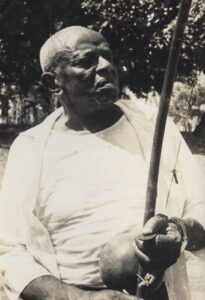
Manoel dos Reis Machado, known as Mestre Bimba, was born on November 23, 1899, in Salvador, Bahia.
The son of a batuque champion, Bimba grew up immersed in Afro-Brazilian culture. At the age of 12, he began practicing capoeira and soon realized that the art was losing effectiveness as a form of combat and respect in society.
⚠️ The Context of Capoeira at the Time
In the early 20th century, capoeira was:
- Criminalized in Brazil
- Associated with marginalization
- Seen as dangerous and disorganized
This scenario deeply bothered Mestre Bimba, who believed capoeira could be both efficient as a fight and respected as a cultural practice.
🚀 The Creation of Capoeira Regional
To transform capoeira, Mestre Bimba developed a new style: Capoeira Regional Baiana.
His innovations included:
- Structured teaching methodology
- Defined sequences of movements
- Introduction of practical and objective training
- Incorporation of techniques from other martial arts
Capoeira Regional brought a more technical, efficient, and disciplined approach, distancing itself from the purely folkloric image.
🏫 The First Capoeira Academy
In 1932, Mestre Bimba founded the first official capoeira academy in Brazil.
This was a historic milestone, as capoeira:
- Left the streets and entered a formal environment
- Gained legitimacy as a structured practice
- Began to be taught to different social classes
Later, he received official recognition from the government, marking a turning point in capoeira’s history.
🧠 Methodology and Discipline
Mestre Bimba’s teaching went far beyond physical training.
He emphasized:
- Discipline and respect
- Ethical behavior
- Physical and mental development
Students were required to follow strict rules, including proper conduct inside and outside the academy.
🌍 Impact and Legacy
Mestre Bimba’s work transformed capoeira into:
- A respected martial art
- A cultural symbol of Brazil
- A practice spread worldwide
Today, capoeira is present in over 150 countries, and much of this global reach is a result of his vision.

🥁 Mestre Bimba vs Mestre Pastinha
It is important to highlight the coexistence of two major traditions:
- Mestre Bimba → Capoeira Regional (more objective and combat-oriented)
- Mestre Pastinha → Capoeira Angola (more traditional and ritualistic)
Both styles are fundamental and complement each other in preserving capoeira’s richness.
🏆 Conclusion
Mestre Bimba was not just a capoeira master — he was a visionary who transformed an oppressed practice into a respected art form.
His legacy lives on in every roda, every berimbau rhythm, and every practitioner who keeps capoeira alive.
Understanding his journey is essential to understanding capoeira itself.
Share this content:
Let’s grow together in technology, career, and discipline.
Follow new articles on backend, architecture, performance, and the lessons that also come from sports. A space to share knowledge, consistency, and growth throughout the journey.